What to notice in your home
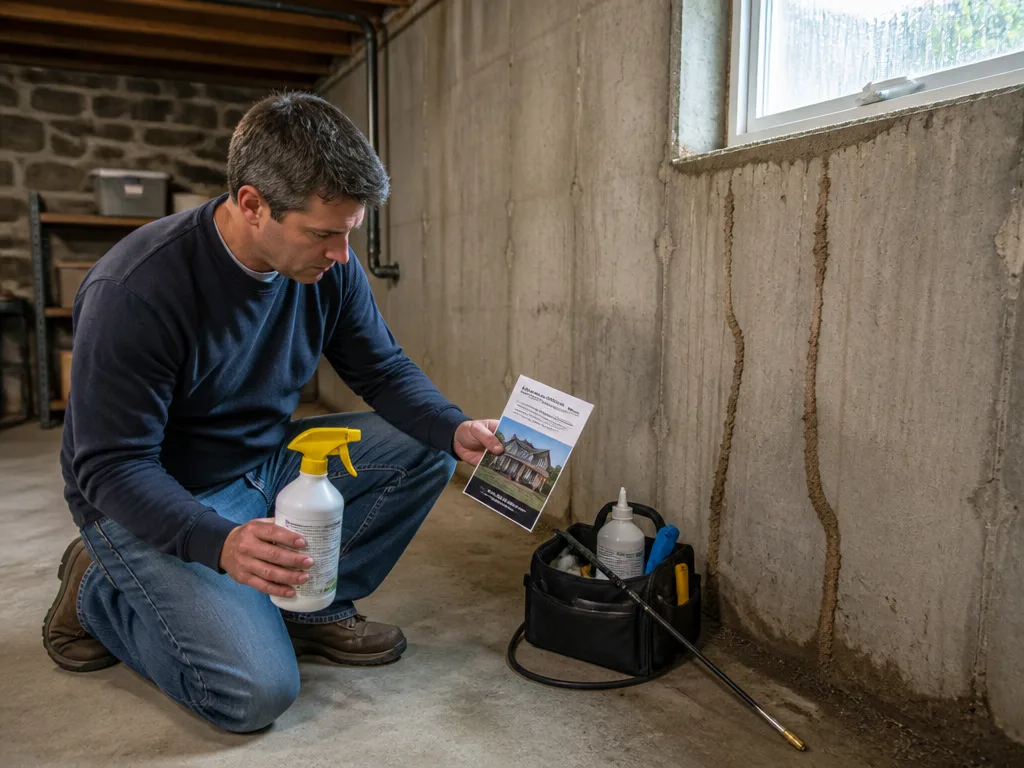
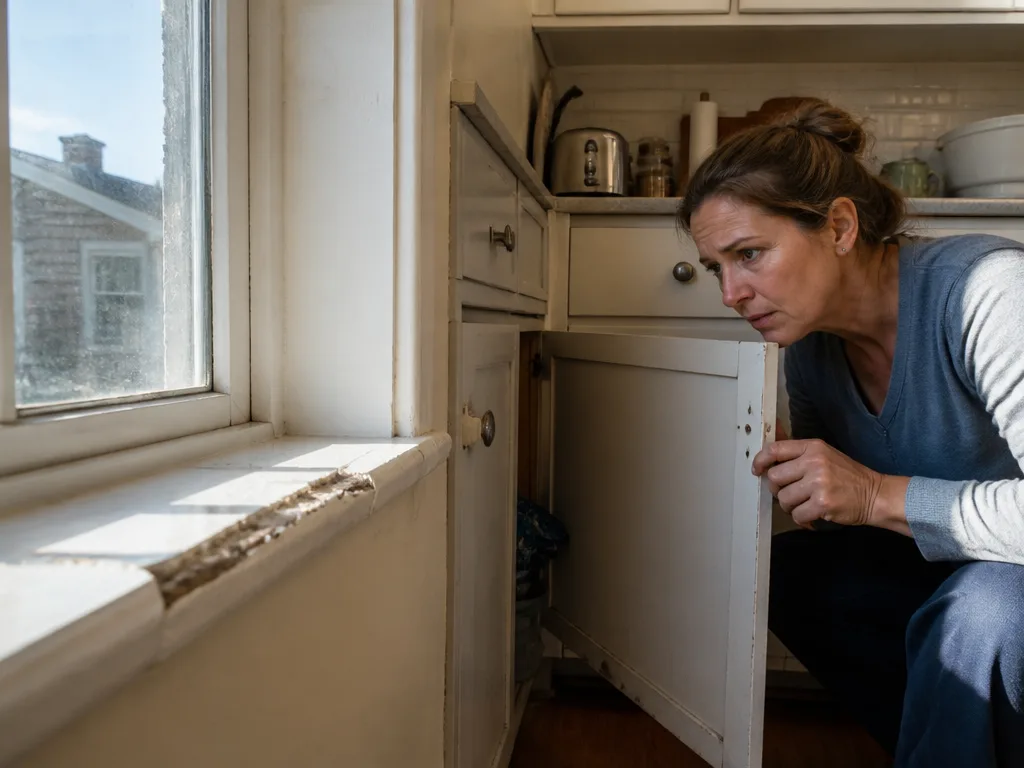
Across Rhode Island, pest activity often starts quietly. Look for droppings, unusual odors, chewed wiring, or staining near walls and foundations. A pest control specialist from Rhode Island Chipmunk Removal will tell you that early clues aren’t always dramatic, but they matter. Small clues today can prevent bigger problems tomorrow.
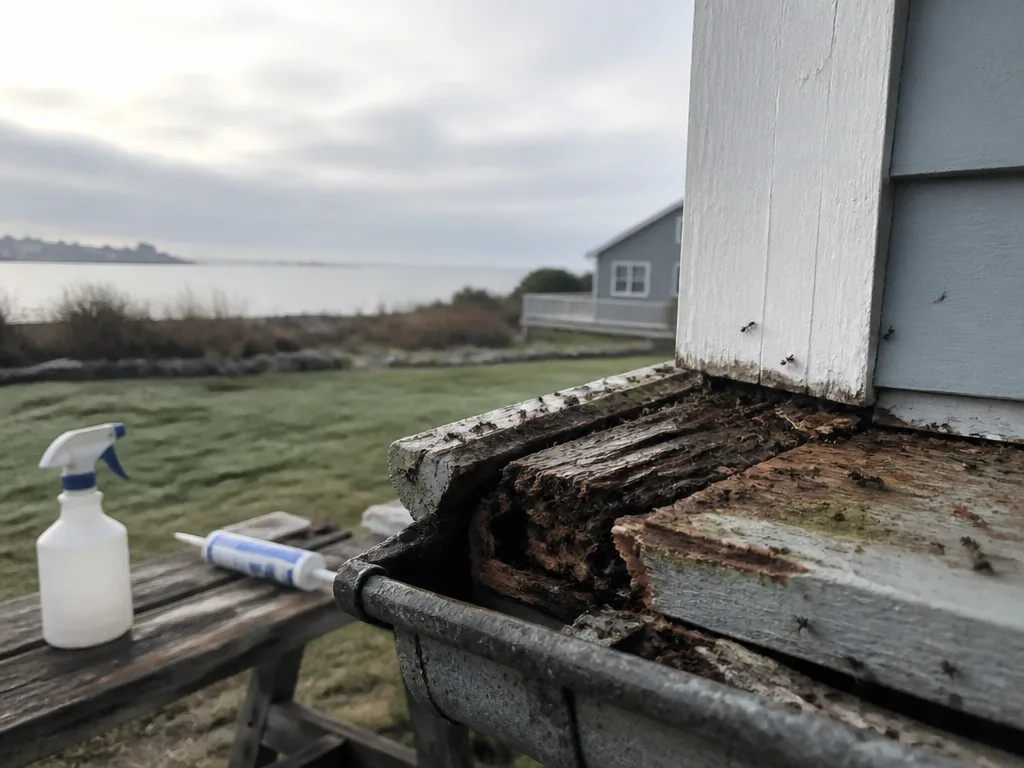
Pay attention to signs near entry points like gaps around doors, utility penetrations, or weathered siding. If you notice new trails along baseboards or pantry shelves, there could be movement behind the scenes. In a Rhode Island home, damp basements and crawl spaces invite activity; control starts with identifying where the access points are and how the warm seasons change behavior.
Why these signs matter for Rhode Island homes
Rhode Island winters and humid summers create a shifting habitat for common pests. The same crack a rodent uses in late fall might become a bigger opening after a summer storm. A pest control specialist from Rhode Island Chipmunk Removal can confirm if you’re seeing legitimate warning signs or if it’s something that can wait. The key is to respond when you first notice activity, not after it becomes obvious.
While some indicators are obvious, others are subtler. Pellet-like droppings near food storage, small chews on cardboard, or a musty smell behind appliances can all indicate pests are nearby. In Rhode Island, seasonal changes often bring new routes into living spaces, so stay observant year round.
Simple steps you can take now
Start with a visual check around the exterior: look for gaps around doors and pipes, sealable openings, and damaged vent screens. Inside, empty old clutter where pests can hide and store dry goods in sealed containers. If you suspect activity, keep a simple log, note dates, where you saw activity, and any changes after rain or heat waves.
If trouble persists or you’re unsure, a straightforward call to a pest control specialist is a practical next step. Rhode Island Chipmunk Removal offers a practical assessment to identify access points and the most effective next moves. The goal is to reduce risk and protect your home without unnecessary delays.
What to expect from a qualified assessment
During an inspection, a pest control specialist will check entry points, look for moisture issues, and assess habitat in basements, crawl spaces, and attics. They’ll explain what they find in plain terms and outline reasonable options for addressing the root causes. In Rhode Island, a statewide approach means crews available across the state can respond as needed and tailor solutions to your home’s layout.
- Identify access points around doors, windows, and utility lines
- Check moisture and ventilation in damp areas
- Review storage practices and food storage in the pantry
Taking these signs seriously can prevent bigger problems. If you notice anything out of the ordinary, reach out to Rhode Island Chipmunk Removal for a practical, no-pressure assessment.